





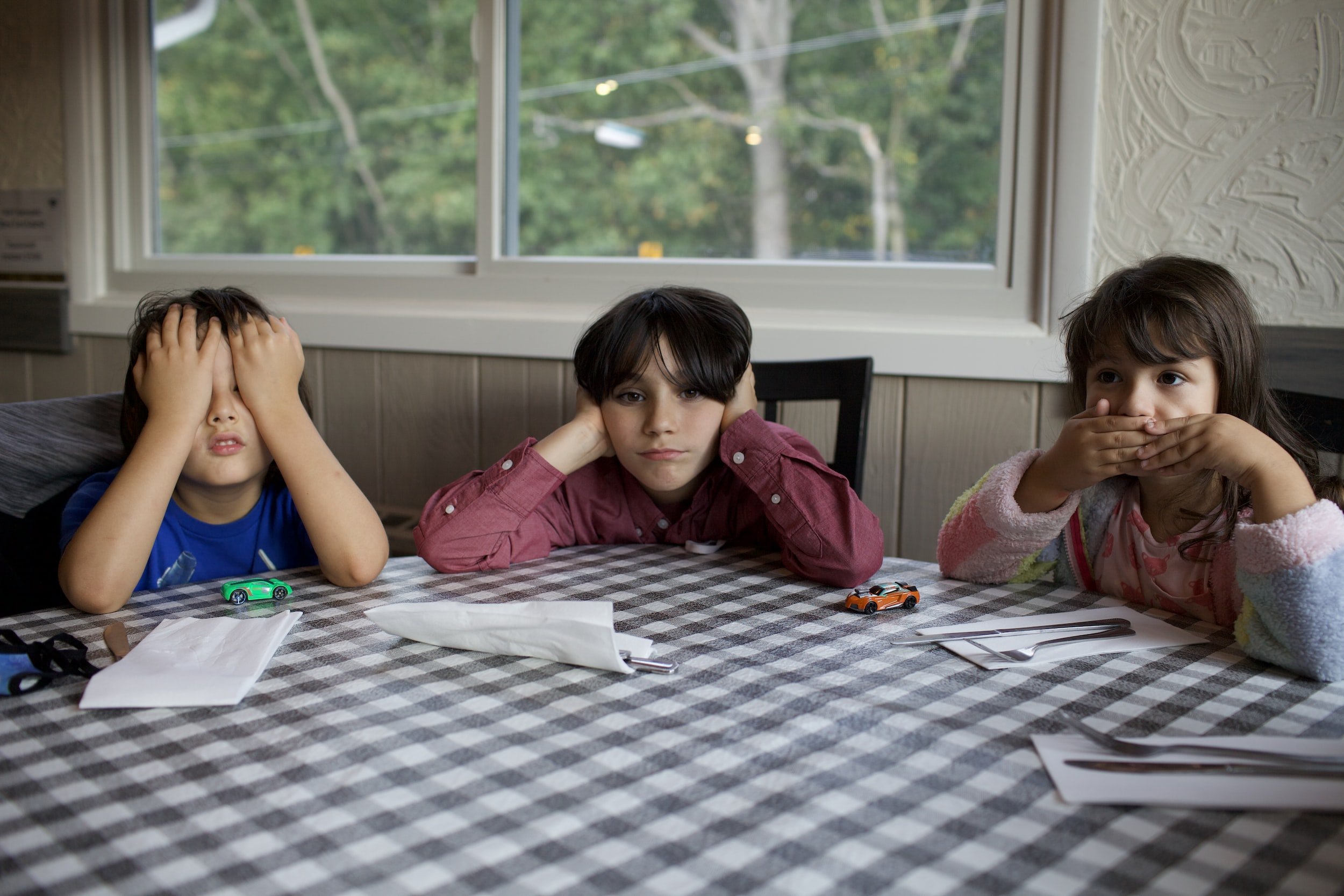
We thought Trauma was not remembered in young children. We were so wrong.
When I first started grad school (many moons ago), we were told that trauma may occur in infants and young children, but it is not remembered prior to the approximate age of 4 or 5. Consider your first traumatic memory. Most of us cannot recall one prior to age 4 or 5, although there many be few exceptions. However, just because we cannot recall in from memory does not mean that trauma did not occur or does not have effects that stretch far beyond childhood days. It does.
Recall when you smelled a scent that disgusted you or made you shiver, while others walk around as if the smell is not repulsive? This may be a trauma response.
Recall when you felt frightened of a place, a city, or of a motion from another that should be considered normal? This may be a trauma response.
Trauma responses in infants are unlike those in adulthood. As per the National Child Traumatic Stress Network (2018), infants and toddlers who have experienced trauma may show symptoms such as “poor verbal skills, exhibit memory problems, scream or cry excessively, and have poor appetite, low weight, or digestive problems.” While the trauma may not have directly impacted the infant or toddler, infants and toddlers do not have the skills necessary to understand why the event occurred or may blame themselves for the traumatic event. Cognitive perceptions such as “such and such would not have happened if I [completed the task asked of me]” are common.
A trauma that occurred at a young age does not mean that the child will grow up afraid or gravely influenced - the challenge is that there is a possibility that they can. Protective factors such as resiliency, nurturing events, and positivity from caregivers can reduce the affect of the trauma. New therapeutic approaches, such as child-parent psychotherapy or CPP, have gained popularity due to its evidence based practices.
When concerned that your child may have experienced trauma or is experiencing worrisome symptoms, seek professional help. Trauma can grow to resilience, but ignoring it or saying “they are too young” perpetuates the cycle of trauma. Start the conversation, start the healing.
Reference:
NCTSN. (2018). Effects: How early childhood trauma is unique. The National Child Traumatic Stress Network. Retrieved from https://www.nctsn.org/what-is-child-trauma/trauma-types/early-childhood-trauma/effects